
In any guest-facing environment, the impression of cleanliness extends far beyond mere aesthetics. It acts as a fundamental, often subconscious, determinant of how visitors perceive a brand, its values, and the overall quality of service. This unseen impact plays a pivotal role in establishing trust and setting the stage for every interaction that follows, influencing expectations from the moment a guest steps through the door.
Guests form immediate judgments based on a multitude of cues, both overt and subtle. A spotless lobby, gleaming surfaces, and a fresh scent communicate a profound message of care and attention to detail. Conversely, any perceived lapse in hygiene can instantly trigger feelings of discomfort or concern, diminishing the initial positive anticipation and casting a shadow over the entire experience.
The psychological dimension of cleanliness is powerful. A meticulously maintained space fosters a sense of well-being, security, and respect. It assures guests that their comfort and safety are paramount, creating an inviting atmosphere where they can relax and engage confidently. This positive emotional connection is invaluable for building lasting relationships with visitors.
Conversely, even minor imperfections, such as dust accumulation or an unkempt restroom, can erode confidence swiftly. Such oversights signal a lack of diligence, suggesting that if visible areas are neglected, what about the less obvious ones? This can lead to a significant downturn in overall satisfaction, regardless of other positive aspects of the service provided.
Therefore, investing in superior cleanliness standards is not just an operational necessity; it is a strategic imperative. It reflects a commitment to excellence and directly contributes to a brand's reputation and perceived value. For businesses like Spottix, understanding and mastering this aspect is key to delivering exceptional guest experiences consistently.
Cleanliness serves as a foundational element of service quality, underpinning every aspect of guest interaction. It speaks volumes about an establishment’s dedication to high standards and its regard for those it serves. Recognizing its profound influence allows businesses to proactively shape positive perceptions and cultivate an environment where guests feel truly valued.
Applications and Considerations
-
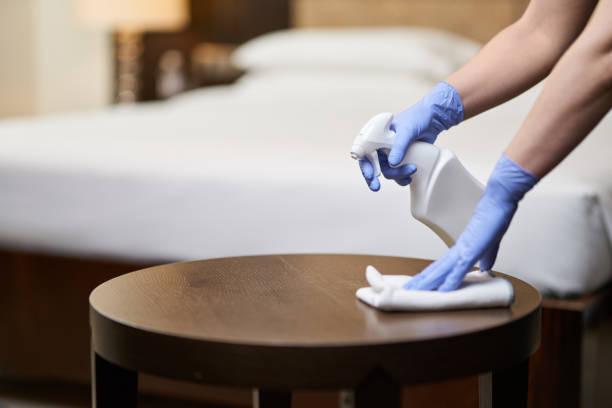
Hospitality Sector (Hotels, Resorts): Impeccable hygiene is crucial for guest satisfaction and loyalty. It enhances review scores and elevates brand perception, though maintaining consistent standards across vast properties presents significant operational challenges and ongoing investment.
-
Retail Environments (Stores, Showrooms): A clean, inviting space encourages customers to linger longer and engage more deeply with products. This improves brand image and customer comfort, yet high foot traffic demands frequent, discreet cleaning to avoid disruption and maintain appearance.
-
Healthcare Facilities (Clinics, Waiting Areas): Beyond aesthetics, cleanliness here is critical for patient confidence and health protocols. It reduces perceived risks and supports a healing environment, but requires adherence to extremely stringent, specialized cleaning standards and continuous vigilance.
Insights into Guest Perceptions
Experts widely agree that guests process cleanliness cues subconsciously, forming immediate impressions that shape their entire experience. While a guest may not explicitly state, "This place is clean," their comfort level and willingness to return are profoundly influenced by these subtle signals. A pristine environment fosters a sense of security and professionalism, which are highly valued attributes.
A key argument centers on the importance of proactive maintenance over reactive cleaning. Addressing issues only after they become apparent to guests is often too late, as the negative perception has already been formed. Strategic, scheduled cleaning routines prevent problems from arising, safeguarding the guest experience and maintaining a consistently high standard of presentation.
The evolving landscape of guest expectations, particularly amplified by social media, underscores the critical role of cleanliness. A single photograph of an unkempt area can quickly spread, impacting reputation far beyond the immediate interaction. Conversely, visibly clean and well-maintained spaces generate positive word-of-mouth and favorable online reviews, contributing to sustained positive sentiment.
There's an ongoing discussion regarding the balance between visible cleanliness and deeper sanitation. While a sparkling surface is important, guests are increasingly aware of underlying hygiene. The expectation now extends to comprehensive sanitation practices, particularly in light of global health awareness, pushing businesses to adopt more thorough and verifiable cleaning protocols.
Innovative solutions, such as those developed by Spottix, are instrumental in elevating cleaning standards beyond traditional manual efforts. By leveraging advanced techniques and smart scheduling, businesses can achieve a level of consistency and thoroughness that significantly enhances guest perceptions, ensuring every area meets and exceeds contemporary hygiene expectations.
Concluding Observations
Ultimately, cleanliness stands as an indispensable pillar of the guest experience, often silently shaping perceptions and influencing overall satisfaction. Its impact is far-reaching, affecting everything from initial impressions to long-term loyalty and brand advocacy.
Businesses must therefore view their cleaning protocols not merely as operational tasks, but as integral components of their guest engagement strategy. Prioritizing and strategically managing these standards is essential for cultivating environments that resonate positively with every visitor.
Maintaining impeccable cleanliness is a continuous commitment that yields significant dividends. It reinforces a brand's dedication to excellence, fosters positive guest sentiment, and contributes fundamentally to sustained success and a stellar reputation in a competitive marketplace.


Tanner Baker
This article highlights a crucial, yet often overlooked, aspect of business operations. The emphasis on psychological impact is particularly insightful. Well-written!
Thank you for your feedback! We believe understanding the deeper psychological connections is vital for creating truly superior guest experiences.
Lillian Lane
I agree that cleanliness sets the tone, but sometimes it feels like an endless battle, especially in high-traffic areas. Any practical tips for small businesses struggling with this?
That's a valid point. For small businesses, focusing on high-touch surfaces and consistent, scheduled checks can make a big difference. Spottix also offers scalable solutions designed for various business sizes to help manage these challenges effectively.